There is a "critical age" for preventing hypertension, and 20 key points that doctors want to tell you most.
"Source of this article: Life Times"
A doctor once said that "the disease did not happen suddenly, but was discovered suddenly". Behind dangerous emergencies such as myocardial infarction and stroke, most of them have a source that has been lurking for many years-hypertension.
In China, there is at least one hypertensive patient in every four adults;
At the same time, the reserve army of hypertension is surging, and the prevalence rate of prehypertension (120~139/80~89 mm Hg) has reached 41.3%.
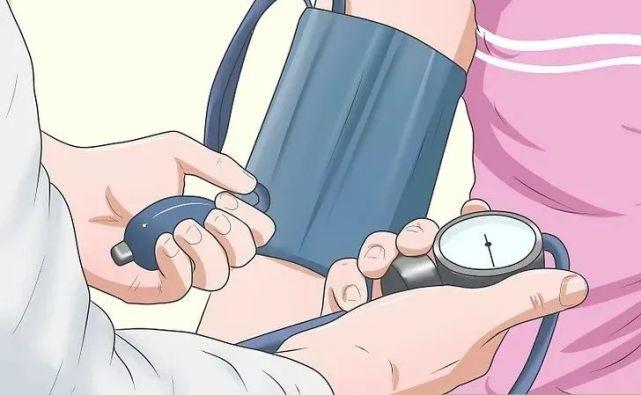
High blood pressure is like a slow knife. About 70% of stroke deaths and 50% of myocardial infarction in China are closely related to high blood pressure.
If blood pressure can be lowered, the incidence of stroke can be reduced by 35%~40%.
Unfortunately, before all emergencies, many people felt "I’m fine".
October 8th is National Hypertension Day, Life Times.(Search for "LT0385" in WeChat to follow)Interview authoritative experts and tell you the health points of preventing and controlling hypertension.
Interviewed experts
Cheng Wenli, director of Beijing anzhen hospital Hypertension Center affiliated to Capital Medical University.
Guo Yifang, Vice President of Hebei Provincial People’s Hospital
40 ~ 47 years old, the critical period of blood pressure prevention and control.
Recently, researchers in China conducted a study on nearly 5,000 participants aged 40-70 who did not have hypertension in the third to ninth China Health and Nutrition Survey. The results showed that:
From middle age to old age, body mass index (BMI) has a significant impact on the risk of hypertensive events;
40~47 years old is the key period to prevent hypertension.Especially people who gain weight rapidly at this stage should pay more attention to it.
The doctor said that a similar phenomenon can also be observed in clinic, that is, after people reach middle age, the incidence of hypertension increases significantly.
40~47 years old is in the stage of old age and small age, with great pressure of work and life, and many people have not developed a healthy lifestyle. Some chronic diseases have begun to appear and various unfavorable factors have piled up, which is an important reason for the concentrated outbreak of hypertension in this age group.
It is worth noting that in recent years, the incidence of hypertension tends to be younger, which has a lot to do with the lifestyle of young people.
The earlier the onset of hypertension, the higher the blood pressure level, the longer the duration, and the greater the damage to the body, so young people can’t take it lightly.
High blood pressure hurts the whole body.
Normal blood pressure should be systolic pressure < 120 mm Hg and diastolic pressure < 80 mm Hg. If the blood pressure measured at rest for three consecutive times at different times is higher than 140/90 mm Hg, it can be diagnosed as hypertension.
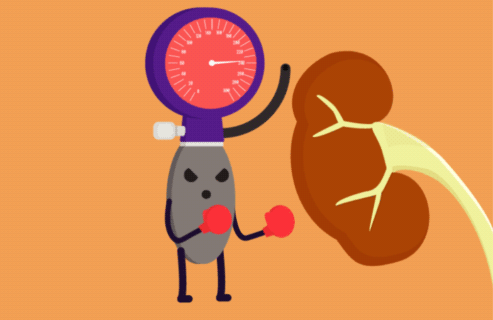
After discovering hypertension, if the blood pressure is not controlled within a reasonable range, it will damage the health of the whole body.
cerebral apoplexy
Once the cerebral vessels are blocked or bleeding, the mortality and disability rate are very high. If you compare a stroke to a camel that suddenly falls down, then the last straw to crush it is high blood pressure.
cardiac infarction
About 50% patients with coronary heart disease have hypertension. If the blood pressure is controlled within a reasonable range, the probability of myocardial infarction can be reduced by 14%. 91% of patients with heart failure have hypertension, and controlling blood pressure can reduce the incidence by 55%.
renal arteriosclerosis
Long-term increase of blood pressure will cause renal arteriosclerosis, and then develop into renal sclerosis, leading to renal function damage.
Fundus lesions
Among patients with hypertension, about 70% will have fundus lesions, and even blindness in severe cases.
Delivery risk
If pregnant women have high blood pressure, they will face great risks of delivery, and even cause the death of pregnant women and newborns in severe cases.
The main points that 20 doctors want to tell you most
Doctors remind that people with high blood pressure should not be lucky. If the blood pressure level can be controlled well, the risk of cardiovascular and cerebrovascular accidents can be greatly reduced.
one
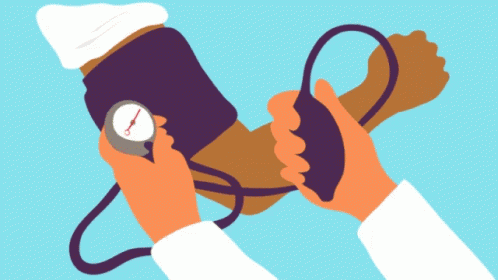
When you take your blood pressure, measure both your left and right arms.
There may be a difference of 5 ~ 10 mm Hg in the blood pressure of both upper limbs of anyone. Generally, the higher one shall prevail, and the blood pressure value will be more accurate by measuring several times to get the average value.
2
"Prehypertension" is a warning line
In China, the blood pressure is 120~139/80~89 mm Hg, which is called prehypertension. As long as the blood pressure exceeds 120/80 mm Hg, we should pay attention to eating less salt, exercising more, losing weight and giving up smoking and alcohol.
three
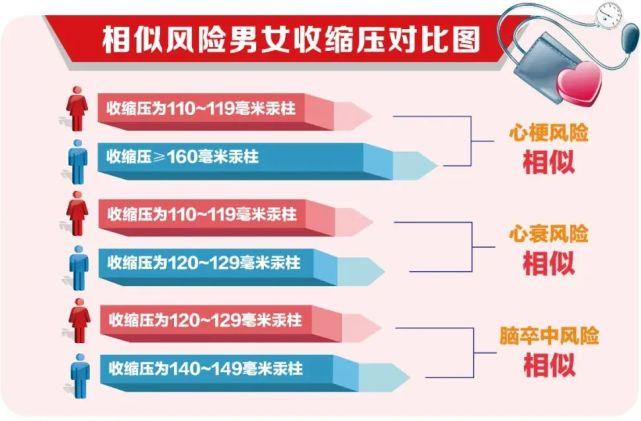
Women should pay special attention to their blood pressure.
Some diseases, such as polycystic ovary syndrome and mood swings, make women’s blood pressure more out of control.
From the age of 30, women’s blood pressure increased more violently than men’s, and after the age of 55, their blood pressure was even higher than men’s.
four
Early morning is the "volcanic period" of blood pressure.
At 6~10 am and 4~8 pm, blood pressure is at the peak of the day. Act slowly in the morning, don’t crawl out of bed, don’t defecate too hard, etc.
five
Different people have different manifestations of elevated blood pressure.
Have a plenty of headache, dizziness, tinnitus, fatigue, limb numbness; Pregnancy-induced hypertension will cause proteinuria and edema; Menopausal hypertension often leads to soreness of waist and knees and edema of limbs.
six
The idea of "no treatment without symptoms" is very dangerous.
There is no discomfort ≠ blood pressure is not high, and many patients have obvious feelings after various complications such as myocardial infarction and cerebral infarction.
When taking medicine, you must take medicine on time, and keep your blood pressure below 140/90 mm Hg, preferably 130/80 mm Hg, so that cardiovascular and cerebrovascular diseases will be safer.
seven
Blood pressure is slightly high, adjust lifestyle first.
High pressure is between 140 and 160 mm Hg, and low pressure is between 90 and 100 mm Hg, which is called grade 1 hypertension.
Mayo Clinic in the United States suggests that people with grade 1 hypertension can improve their lifestyle first. If the blood pressure still can’t reach the standard after changing the lifestyle for half a year, it is recommended to consult a cardiologist whether medication is needed.
eight
You can’t eat antihypertensive drugs.
After reduction or withdrawal, blood pressure will rise again and continue to damage the cardiovascular system; And the antihypertensive effect of any drug is limited, so there is no need to worry about the continuous decline of blood pressure.
nine
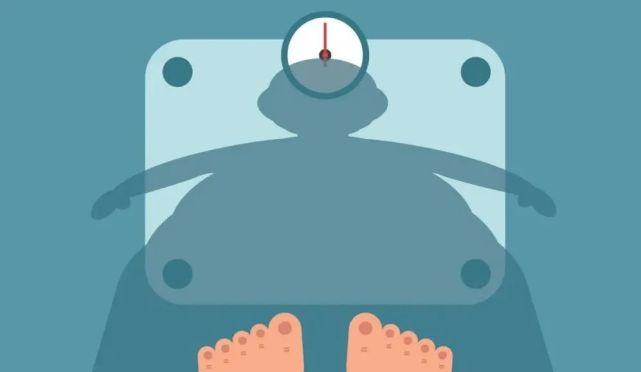
Control blood pressure, control weight first.
Obesity and hypertension collude with each other. Try to keep the body mass index between 19 and 24.
10
Restrict oil and salt
Reducing salt is particularly important for controlling blood pressure. The daily salt intake is controlled below 6 grams, and the oil consumption is between 25 and 30 grams.
11
Beware of "invisible salt"
Soy sauce, fermented bean curd, bacon, ham and pickled mustard tuber all contain salt; Snacks such as preserved plum, potato chips and salted peanuts are all salty foods.
When you buy food, look at the nutrient composition table on the food packaging. If the "NRV%" exceeds 30%, you should buy less and eat less.
twelve
Make up your mind to quit smoking
After smoking a cigarette, hypertensive patients’ heart rate will increase by 5~20 times per minute, and their systolic blood pressure will increase by 10 ~ 25mmhg. It is suggested to quit smoking decisively.
13
Try not to touch alcohol.
Drinking alcohol will not only raise blood pressure, but also reduce the efficacy of drugs. If you have to drink alcohol, you should choose a small amount of low-alcohol wine.
14
Cultivate sports into a way of life
At least 150 minutes of moderate-intensity exercise every week can reduce blood pressure by 5~8 mm Hg. Patients with hypertension can try walking, jogging, cycling, swimming, dancing and other sports.
15
Learn to adjust stress
Under pressure for a long time, high blood pressure will slowly torture blood vessels. Try to change the expected goal, listen to music, take a deep breath, etc.
16
Try meditation.
The American Heart Association points out that meditation can be an effective way to lower blood pressure.
17
Pay attention to cold protection in autumn and winter
Blood vessels will contract when stimulated by cold air, resulting in an increase in blood pressure. Don’t do morning exercises too early in autumn and winter, and reduce the intensity of exercise appropriately.
18
Regular schedule
Irregular work and rest and lack of sleep will increase blood pressure, and it is difficult to control blood pressure if these factors are ignored.
19
Limit the intake of red meat
Eating too much, especially fat meat, animal offal, flour and rice, etc., will lead to excess calories and raise blood pressure.
Reasonable diet, try to eat enough one catty of vegetables and half a catty of fruit every day; Eat fish once or twice a week; Intake 50~100 grams of coarse grains every day, accounting for about one-third of the total staple food.
twenty
Supervise with relatives and friends
Family members and friends should encourage more supervision, help people with high blood pressure to better adhere to a healthy lifestyle, and review drugs on time.
Hypertension is the guide of many diseases. If you learn to control your blood pressure, you can shut out myocardial infarction and stroke to a great extent. After reading the article, it’s time for you to make a change. ▲
Editor of this issue: Zheng Ronghua
Wait, click one in the lower right cornerWatchingGo again

Reporting/feedback